
Key Takeaways
Understanding what causes foundation cracks helps homeowners identify potential structural or moisture problems early.
Soil movement and settlement are among the most common causes of foundation cracks.
Poor drainage and water damage foundation cracks can develop due to hydrostatic pressure.
Tree roots, construction issues, and structural stress may also contribute to foundation damage.
Early inspection and basement foundation crack repair can prevent more serious structural issues.
Foundation cracks are a common concern for homeowners. While some cracks may appear small and harmless, they can sometimes indicate underlying structural or moisture related issues. Understanding what causes foundation cracks can help homeowners identify problems early and take steps to protect their property.
In this guide, we will explore the most common causes of foundation cracks, how they affect your home, and when it may be time to consider professional solutions such as basement foundation crack repair.
What Causes Foundation Cracks?

Several environmental and structural factors can lead to cracks forming in a home’s foundation. These cracks may appear in basement walls, floors, or exterior foundation surfaces. Learning what causes foundation cracks can help homeowners determine whether the issue is minor or requires professional attention.
Some cracks occur naturally as buildings settle over time, while others may be linked to soil conditions, moisture, or structural stress.
1. Soil Movement and Settlement
One of the most common answers to what causes foundation cracks is soil movement. The soil beneath a home can expand, shrink, or shift due to moisture changes and seasonal temperature fluctuations.
When soil expands during wet conditions and contracts during dry periods, it creates pressure against the foundation. Over time, this pressure can lead to cracks in basement walls or foundation slabs.
Homes built on clay rich soil are particularly vulnerable because clay expands significantly when wet and shrinks when dry.
2. Water and Drainage Problems
Poor drainage around a home can contribute significantly to water damage foundation cracks. When rainwater collects near the foundation due to clogged gutters, improper grading, or inadequate drainage systems, moisture builds up in the surrounding soil.
This can create hydrostatic pressure, which pushes water against basement walls and may cause cracking or bowing. Over time, excessive moisture exposure can weaken the foundation and lead to larger structural concerns.
Proper drainage systems, functioning gutters, and correct grading around the home are important steps in preventing water related foundation problems.
3. Natural Foundation Settling
Most homes experience some degree of settling after construction. As the soil compresses under the weight of the structure, small cracks may develop in the foundation.
These settling cracks are usually vertical or diagonal and are often considered normal if they remain small. However, if cracks widen, grow longer, or allow water to enter the basement, they may require professional basement foundation crack repair.
Monitoring foundation cracks over time helps determine whether they are stable or progressing.
4. Hydrostatic Pressure
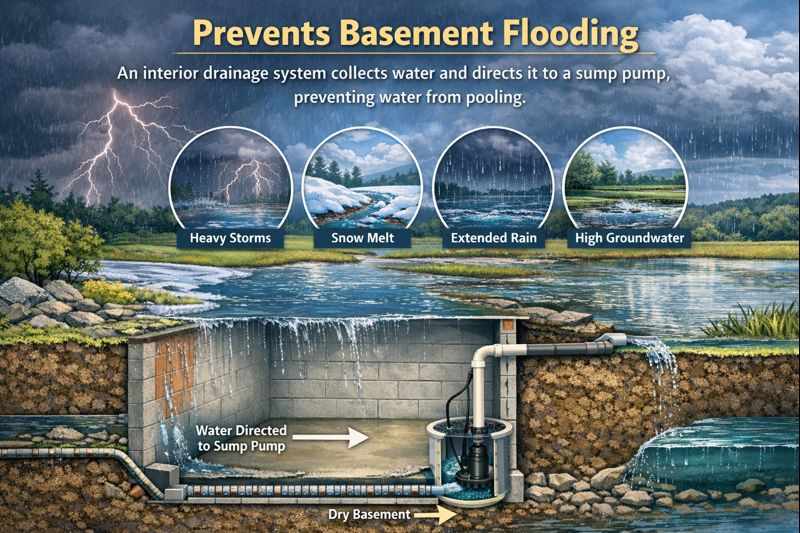
Hydrostatic pressure occurs when groundwater accumulates in the soil surrounding a foundation. As the soil becomes saturated, water pressure builds against basement walls.
This pressure can force water through tiny openings and contribute to water damage foundation cracks. If left untreated, the pressure may lead to larger cracks, water infiltration, or basement leaks.
Installing drainage systems or waterproofing solutions can help relieve hydrostatic pressure and protect the structure.
5. Tree Roots and Soil Displacement
Large trees planted too close to a home can contribute to foundation problems. Tree roots draw moisture from the soil, which may cause uneven soil shrinkage.
When soil shifts or becomes uneven beneath the foundation, stress can develop in the structure, leading to cracks in basement walls or floors.
Maintaining proper landscaping distance between trees and foundations can help reduce this risk.
6. Poor Construction or Structural Stress
In some cases, foundation cracks occur due to construction issues. Inadequate soil preparation, improper concrete curing, or poor drainage planning can increase the likelihood of foundation problems.
Additionally, structural stress from heavy loads or changes in the home’s structure may cause cracks over time.
If cracks appear suddenly or grow rapidly, professional evaluation may be necessary.
When Should Homeowners Consider Foundation Crack Repair?
Not every crack requires immediate repair, but certain warning signs indicate a need for professional evaluation. Homeowners should consider basement foundation crack repair if they notice
Horizontal cracks in basement walls
Cracks wider than 1/4 inch
Water leaking through foundation cracks
Bowing or shifting walls
Cracks that continue to expand
Addressing foundation cracks early can help prevent larger structural or moisture problems.
The Role of Waterproofing in Preventing Foundation Cracks
Moisture control is one of the most effective ways to protect a foundation. Waterproofing systems help redirect water away from the structure and reduce pressure on basement walls.
Working with the best waterproofing company can help homeowners identify drainage issues, waterproof vulnerable areas, and protect their foundation from future damage.
Companies such as Tru Integrity LLC specialize in evaluating moisture conditions and providing solutions designed to reduce water infiltration and foundation stress.
How Homeowners Can Help Prevent Foundation Cracks
Although some foundation movement is natural, homeowners can take several steps to reduce the risk of damage:
Maintain proper drainage around the home
Keep gutters and downspouts clean
Ensure grading slopes away from the foundation
Monitor small cracks regularly
Address moisture problems early
Preventive maintenance can significantly reduce the likelihood of severe foundation issues.
Schedule a Foundation Inspection Today
Foundation cracks may start small, but they can lead to larger structural or moisture problems if they are not addressed in time. If you have noticed cracks in your basement walls or foundation, scheduling a professional inspection can help determine the cause and the most effective solution.
A thorough assessment can identify issues such as soil movement, drainage problems, or water pressure that may be affecting your home’s foundation.
Contact us today to schedule a professional foundation inspection and learn more about reliable solutions for protecting your home from foundation and moisture problems.
FAQs About Causes of Foundation Cracks
Q1. What causes foundation cracks in homes?
Ans. The most common causes include soil movement, foundation settling, hydrostatic pressure, poor drainage, and water damage foundation cracks caused by excessive moisture.
Q2. Are small foundation cracks normal?
Ans. Yes, small vertical or hairline cracks can occur as a home settles. However, cracks that grow larger or allow water into the basement may require professional inspection.
Q3. When should I repair foundation cracks?
Ans. Homeowners should consider basement foundation crack repair if cracks widen, appear horizontally, or lead to water leaks or wall movement.
Q4. Can water cause foundation cracks?
Ans. Yes, Poor drainage or excess groundwater can create pressure against basement walls, leading to water damage foundation cracks.
Q5. How can waterproofing help protect a foundation?
Ans. Waterproofing systems redirect water away from the foundation, reduce hydrostatic pressure, and help prevent moisture from entering basement walls.
Q6. Who should I contact for foundation crack repair?
Ans. Homeowners often consult the best waterproofing company or foundation repair professionals. Companies like Tru Integrity LLC provide inspection and repair solutions to help address foundation and moisture problems.


Write a comment ...