
Basements are one of the most vulnerable areas of a home when it comes to moisture, water intrusion, and structural deterioration. Heavy rain, groundwater pressure, plumbing leaks, or poor exterior grading can all introduce water into the lower levels of your property. Without proper drainage, basements can quickly begin to show signs of damage — from mold and musty odors to cracks and foundation issues.
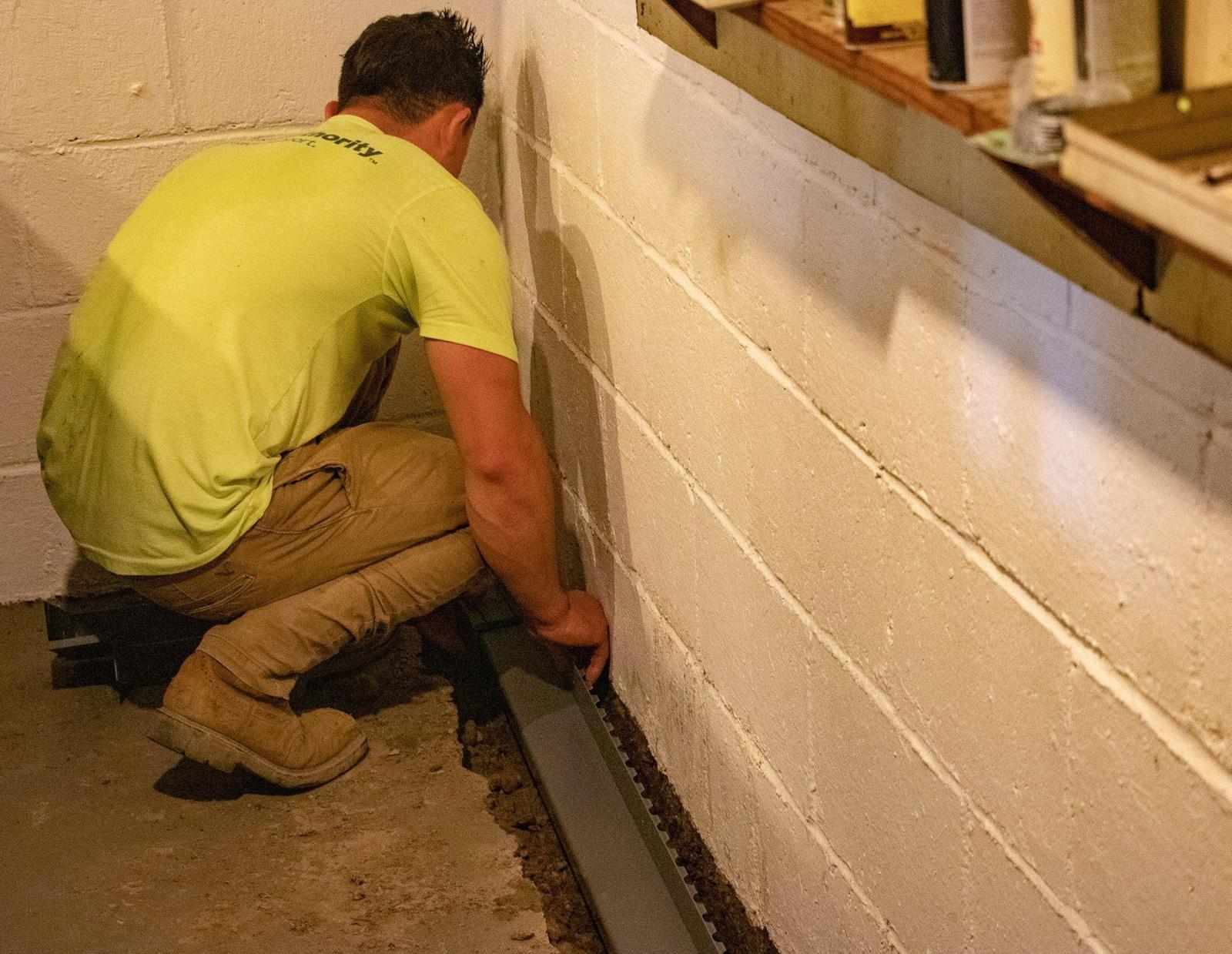
One of the most effective ways to manage and control unwanted water is by installing an interior basement drainage system. As part of modern basement waterproofing systems, interior drainage channels remove water before it becomes a serious problem. For homeowners in Maryland, where rainfall and humidity levels can contribute to moisture challenges, professional basement drainage installation in Maryland has become a smart investment for long-term property protection.
Below are six major benefits of installing an interior drainage system in your basement and why the solution is becoming increasingly popular among homeowners.
1. Prevents Basement Flooding
The most immediate and noticeable benefit of an interior drainage solution is flood prevention. When groundwater or surface water enters the basement, it can accumulate in low points where it has nowhere to go. An interior system collects that water and directs it toward a sump pump or approved exit point, preventing water from pooling.
This is especially beneficial during:
Heavy storms
Snow melt
Extended periods of rain
High groundwater seasons
Preventing flooding not only protects stored items and interior finishes but also keeps homeowners from dealing with repairs, cleanup, and repeated water damage. Unlike exterior systems that rely on soil conditions and weather resistance, interior drainage continues to work even when the outside ground is saturated.
2. Protects the Foundation From Long-Term Damage
Water around the foundation can lead to hydrostatic pressure — a force that pushes moisture through cracks, seams, and porous materials. Over time, this pressure can contribute to structural deterioration.
An interior basement drainage system is designed to relieve this pressure by channeling water away from the wall base and footings. By reducing moisture buildup, homeowners help:
Prevent foundation cracks
Protect walls from bowing
Reduce settlement issues
Extend structural lifespan
For many homes, this kind of protection can prevent thousands of dollars in future repairs. It also keeps basements safer for storage, finishing, and everyday use.
3. Helps Control Mold, Mildew, and Indoor Humidity
Where there is moisture, mold and mildew often follow. Basements are notorious for dampness, musty odors, and airborne contaminants that thrive in humid environments. Mold can spread across drywall, insulation, furniture, flooring, and stored belongings within days.
By removing water at its source, interior drainage plays a key role in maintaining healthy indoor air quality. Paired with a sump pump and dehumidifier, the system helps:
Lower relative humidity levels
Reduce condensation on walls and floors
Prevent mold and mildew growth
Improve indoor air quality for occupants
For homeowners planning to waterproof the basement floor, improve usability, or convert the area into living space, moisture control is essential. It turns a previously wet, unusable area into a functional and comfortable part of the home.
4. Works Well With Other Waterproofing Solutions
Interior drainage is highly versatile and compatible with multiple waterproofing upgrades. It can be paired with:
Sump pumps
Exterior grading improvements
Sealants and vapor barriers
Wall coatings
Crawl space encapsulation
Downspout extensions
Backyard drainage solutions
For many Maryland homeowners, the ideal waterproofing strategy involves combining interior systems with exterior corrections that manage surface runoff. Exterior improvements help reduce the amount of water reaching the foundation, while interior systems capture the water that still finds its way inside. This comprehensive approach provides full protection year-round.
5. Increases Usable Living Space and Property Value
Basements are one of the most cost-effective areas to expand living space, but moisture issues frequently prevent homeowners from fully utilizing them. A dry, flood-free basement can be transformed into new functional areas, including:
Storage rooms
Home offices
Additional bedrooms
Laundry areas
Entertainment rooms
Gyms and workshop spaces
Once water is controlled through reliable basement waterproofing systems, finishing the basement becomes far more practical. Dry basements also contribute positively to home resale value. Buyers prefer homes with protected foundations and waterproofing already in place, especially in regions with heavy rainfall or known drainage concerns.
Real estate studies consistently show that homes with waterproofed basements tend to:
Sell faster than similar properties
Command higher resale prices
Require fewer inspection repairs
Appeal to buyers seeking move-in ready condition
6. Reduces Long-Term Maintenance and Repair Costs
Water damage can be expensive, whether it occurs once or repeatedly. Common issues stemming from basement moisture include:
Rotting wood and framing
Rusted utilities and appliances
Damaged HVAC equipment
Ruined flooring or drywall
Foundation crack repairs
Mold remediation services
An interior drainage system helps homeowners avoid the cycle of constant repairs. Rather than reacting to water after it causes damage, the system proactively manages moisture. This prevents costly restoration projects, insurance claims, and structural fixes. In many cases, the initial investment pays for itself through saved repairs and increased durability of building materials.
Why Interior Basement Drainage Is a Smart Investment for Maryland Homes
Between seasonal storms, clay-rich soils, and unpredictable weather patterns, moisture concerns are fairly common in the Maryland region. Professional basement drainage installation in Maryland has become a practical way for homeowners to protect their property year-round.
Additionally, interior systems offer advantages such as:
Faster installation
Lower cost compared to exterior excavation
Less disruption to landscaping
Year-round functionality regardless of weather conditions
For homes with finished basements or plans to finish soon, these benefits are especially attractive.
Choosing the Right Waterproofing and Drainage Partner
While DIY approaches exist, basement drainage is not a project most homeowners should tackle alone. Proper grading, drainage routing, sump pump configuration, and waterproofing compatibility all require experience and precision. For best results, it's important to work with a contractor that specializes in moisture control and structural protection.
Companies like Tru Integrity LLC provide professional interior drainage solutions tailored to the needs of local homes. With industry experience and a focus on long-term performance, they help homeowners create dry, safe, and usable basement environments that withstand seasonal weather challenges.
Why It’s a Smart Upgrade for Your Basement
Installing an interior drainage system offers multiple long-term benefits that go far beyond flood prevention. From reducing humidity and preventing structural damage to improving resale value and indoor comfort, the investment pays off in both immediate protection and lasting peace of mind.
Whether you're dealing with active moisture problems or want to safeguard your basement for future use, interior drainage is one of the most reliable and cost-effective solutions available for modern homes.


Write a comment ...